Compensation negotiations are one of the most delicate phases of the hiring lifecycle. Handled poorly, they lead to endless email chains, delayed start dates, or off-target offers that violate internal budget bands. Handled well, they build mutual trust, provide clear justification for hiring managers, and ensure rapid leadership sign-off.
1. Collect verification documents before drafting terms
Before circulating compensation figures to internal approvers, verify what the candidate currently earns. Moving a candidate to Selected should immediately trigger a selection email requesting their recent payslips, current CTC structure or increment letter, and resignation acknowledgement.
Using standardized document sets by role ensures candidates only upload what is necessary, without forcing them to create an account or navigate complex portals. For full email templates and workflow details, see our guide on selection emails and pre-offer documents and copy our free selection email template.
2. Track negotiation rounds with a shared compensation log
Verbal salary discussions easily get lost in recruiter notebooks or scattered chat channels. Maintaining a shared negotiation log captures each counter-offer, date, proposed CTC, and recruiter notes in one auditable timeline. Calculating hike percentages automatically against the candidate's verified current CTC keeps leadership aligned on budget impact.
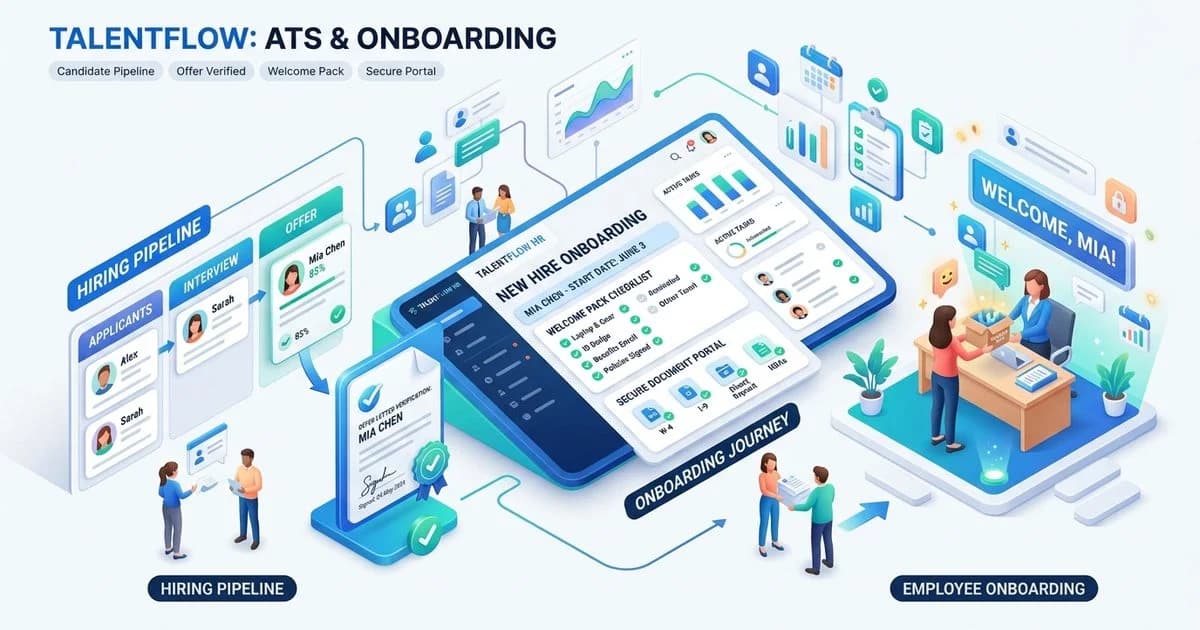
When an agreement is reached, selecting 'Use in offer' pulls the agreed figures directly into the offer builder, eliminating manual re-entry errors. Read more in our guide to salary negotiation and offer preview.
3. Choose the right approval route: Direct sign-off vs approval panels
Not every offer needs to go through three executive layers. Modern talent teams establish structured approval routes that match the risk profile of each offer:
- Direct hiring manager sign-off: For standard entry-level or mid-market roles that fall strictly within pre-approved internal budget bands.
- Multi-level approval panels: For executive leadership hires, off-budget exceptions, or offers featuring joining bonuses and relocation allowances.
- Panel voting rules: Configure panel steps to require either all reviewers to agree (unanimous consensus) or any one reviewer to approve (accelerating sign-off when either the VP of Finance or CFO can approve).
Ensure approvers can review compensation figures, how many pre-offer documents are verified, and negotiation notes directly from their email on any mobile device. Explore our full hiring approvals software to streamline requisition and offer sign-offs.
4. Build the salary breakup with automated checks
An offer letter should never leave room for ambiguity regarding monthly take-home versus annual Cost to Company (CTC). Itemize Basic Salary, House Rent Allowance (HRA), flexible allowances, employer Provident Fund (PF) contributions, and statutory gratuity.
Use built-in validation checks that confirm monthly gross and statutory components equal the declared annual CTC divided by 12. Check our salary breakup template (Annexure A) and explore offer management software to preview the complete offer letter and breakup before sending.
Offer approval and salary negotiation checklist
- 1Request recent payslips and current CTC proofs immediately upon candidate selection.
- 2Record each negotiation discussion and verify the automatic hike percentage calculation.
- 3Select the appropriate approval route (direct manager or executive approval panel).
- 4Ensure approvers review current CTC, hike %, negotiation notes, and verification status before signing off.
- 5Lock offer parameters once approved; require re-approval if compensation figures are modified.
- 6Preview the rendered offer letter and salary breakup Annexure before sending to the candidate.
Editorial Integrity & Sourcing: All articles are authored and verified by our recruitment operations and engineering team, vetted against primary regulatory documentation (such as India's DPDP Act, 2023 and EPFO/ESIC guidelines) and direct job portal APIs before publication.

Pankaj Mukadam is the Head of Product at OneATS. With deep expertise in talent acquisition infrastructure and recruitment operations, he leads product architecture and hiring workflows at OneATS, helping companies streamline recruitment across India and globally.