Late feedback is one of the quietest ways to lose good candidates. The interview went well, but three days later the hiring manager still hasn't written anything, the recruiter can't move the candidate forward, and the candidate accepts another offer. Most hiring managers aren't ignoring the process. It's just harder than it needs to be.
Why feedback is late
- Logging in is a barrier. A manager who uses the ATS twice a month doesn't remember the password.
- The form is long, so it gets saved for "later".
- Nobody reminds them, or the reminder is buried in a busy inbox.
- They can see others' scores first, so they wait to see what everyone else thinks.
Make it effortless
Send each interviewer a link to the scorecard right after the interview. It should open on a phone and work without logging in. Keep the scorecard short: a few criteria that matter for the role, a rating for each, and an overall recommendation. Our interview scorecard template is a good starting point.
Reminders that work
- Remind once shortly after the interview, and again the next morning if feedback is still missing.
- Send the reminder where the manager already works: email, or your Slack or Microsoft Teams channel.
- Make the reminder a direct link to the scorecard, not to a dashboard.
Locked scorecards for fair debriefs
If interviewers can see each other's scores before submitting, later scores drift towards earlier ones. Hiding scores until everyone has submitted keeps each opinion independent, and it removes the reason to wait.
Approvals from email
Hiring managers are often approvers too, for new roles and for offers. Let them approve or reject from an email button, with a comment, instead of logging in. The same principle applies: fewer steps, faster answers.
One morning digest instead of many alerts
A single email each morning listing what needs that person (missing feedback, candidates waiting on them, approvals) is easier to act on than a stream of notifications through the day. On days with nothing to do, send nothing.
What a good scorecard includes
| Section | Example |
|---|---|
| 3 to 5 criteria for the role | Problem solving, customer focus, relevant experience |
| A rating for each | 1 to 4, with what each number means |
| Evidence | One or two lines on what the candidate said or did |
| Overall recommendation | Strong yes, yes, no, strong no |
Set expectations up front
Agree a feedback deadline with hiring managers when the job opens (for example, the same working day), and explain why: good candidates are interviewing elsewhere. Managers are far more likely to meet a deadline they agreed to than one they discover later.
Run a short debrief
- 1Everyone submits their scorecard before the debrief.
- 2Start with the person who interviewed for the most important criterion.
- 3Discuss where ratings disagree, using the evidence written down.
- 4Decide, and record the decision and the reason.
Measure feedback time
Track the time between the end of each interview and the submitted scorecard, by interviewer. Share it gently. Most people improve once they can see it, and it shows you where a reminder or a shorter scorecard would help.
How OneATS handles it
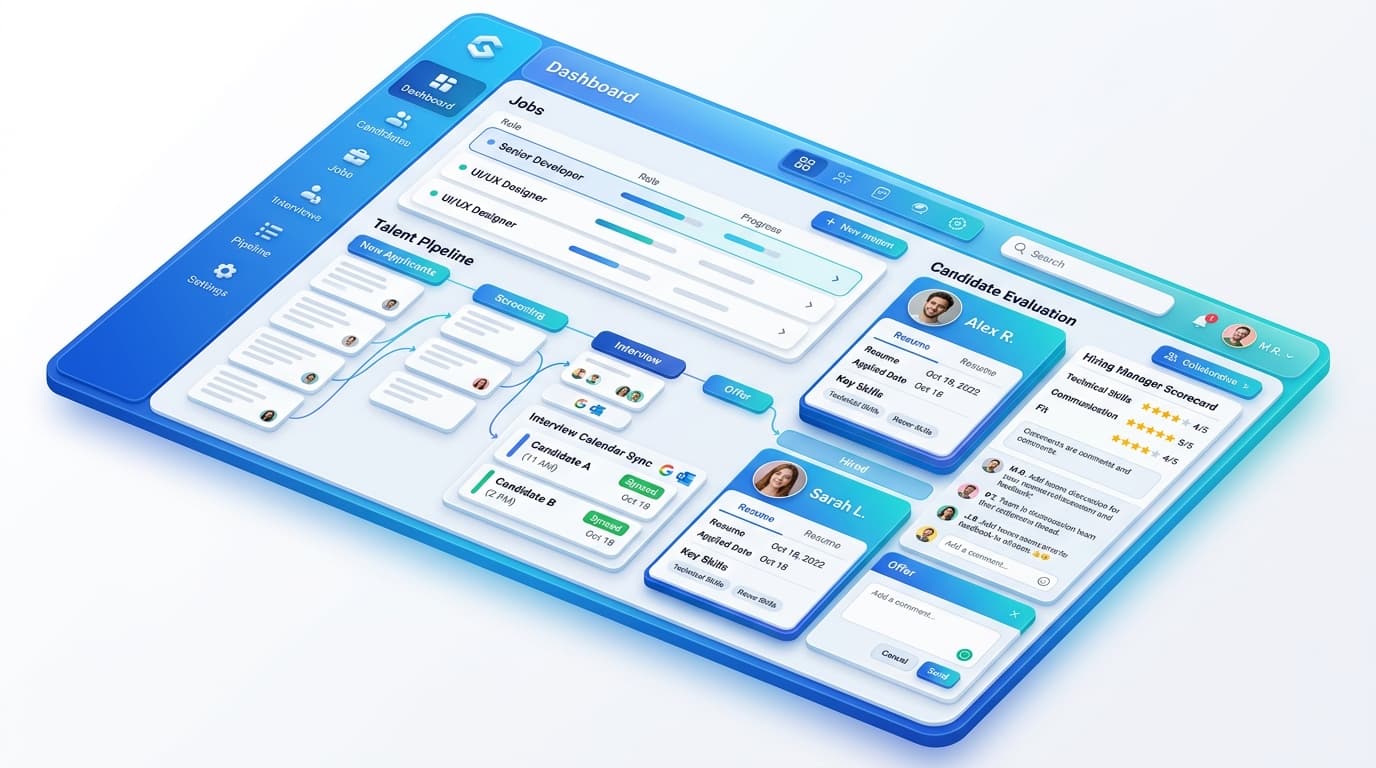
In OneATS, hiring managers and interviewers get a free seat on paid plans, limited to their own jobs. Panelists fill in scorecards from a link with no login, scores stay hidden until everyone has submitted, and late feedback triggers a reminder by email or in your Slack or Teams channel. Approvers can approve from email, and each morning at 9 am everyone gets a short list of what needs them, with no email on days with nothing to do.
Editorial Integrity & Sourcing: All articles are authored and verified by our recruitment operations and engineering team, vetted against primary regulatory documentation (such as India's DPDP Act, 2023 and EPFO/ESIC guidelines) and direct job portal APIs before publication.

Pankaj Mukadam is the Head of Product at OneATS. With deep expertise in talent acquisition infrastructure and recruitment operations, he leads product architecture and hiring workflows at OneATS, helping companies streamline recruitment across India and globally.